Two AI Video Giants, One Question
If you have spent any time exploring AI video generation in 2026, two names come up more than any others: Google Veo 3.1 and OpenAI Sora 2. These are the flagship models from the two biggest players in artificial intelligence, and they represent the absolute cutting edge of what text-to-video and image-to-video technology can do today.
But they are not the same. Each model takes a fundamentally different approach to AI video generation, and the results reflect those differences in ways that matter for creators. Veo 3.1 leans into photorealism and physical accuracy. Sora 2 excels at cinematic storytelling and complex scene compositions. Choosing between them depends entirely on what you are trying to create.
VIBE is an AI video generator app that lets you create stunning videos from text prompts or images using the latest AI models like Kling, Sora, and Veo. Because VIBE gives you access to both models in a single app, you do not have to choose one platform over another. You can test the same prompt on both and pick the output that works best. That said, understanding the strengths of each model helps you write better prompts and get better results faster.
This article breaks down every meaningful difference between Veo 3.1 and Sora 2 based on real-world testing across dozens of prompt categories.
What Is Google Veo 3.1?
Google Veo 3.1 is the latest video generation model from Google DeepMind. It builds on Google's massive investment in multimodal AI and represents the third major iteration of the Veo architecture. The model was trained on a vast dataset of high-quality video and understands physical properties like gravity, fluid dynamics, lighting, and material textures at a level that no previous model has achieved.
Veo 3.1 Fast, the accelerated variant available in VIBE, delivers near-instant generation without significant quality loss. This makes it practical for real-time content creation workflows where you need to iterate quickly on ideas.
Where Veo 3.1 Excels
- Photorealism: Veo 3.1 produces output that looks like it was captured by a real camera. Skin tones, natural lighting, water reflections, and atmospheric effects all look authentic.
- Physics accuracy: Objects in Veo-generated videos behave the way they would in the real world. Fabric drapes correctly, water flows naturally, and smoke dissipates realistically.
- Nature and landscapes: Mountain ranges, oceans, forests, and wildlife footage from Veo 3.1 is often indistinguishable from professional nature documentary footage.
- Product visualization: Clean studio lighting, accurate material rendering, and precise object geometry make Veo 3.1 excellent for product showcase videos.

What Is OpenAI Sora 2?
Sora 2 is OpenAI's second-generation video model, a significant leap from the original Sora that debuted in early 2024. According to OpenAI's research documentation, Sora 2 uses a diffusion transformer architecture that generates video by gradually refining visual noise into coherent frames. The model has a deep understanding of narrative structure, camera language, and emotional pacing.
Where Veo aims to replicate reality, Sora 2 aims to replicate cinema. The difference is subtle but important. Reality is about accuracy. Cinema is about intention.
Where Sora 2 Excels
- Cinematic composition: Sora 2 naturally produces shots that feel like they were directed by a professional filmmaker. Framing, depth, and visual storytelling come naturally.
- Complex scenes: Multiple subjects interacting in a single frame, crowd scenes, and narrative sequences are handled with impressive coherence.
- Camera movements: Dramatic tracking shots, crane movements, slow zooms, and handheld-style motion all render smoothly and intentionally.
- Mood and atmosphere: Sora 2 captures emotional tone effectively. A melancholic scene feels melancholic. An action sequence feels urgent. The model understands mood.
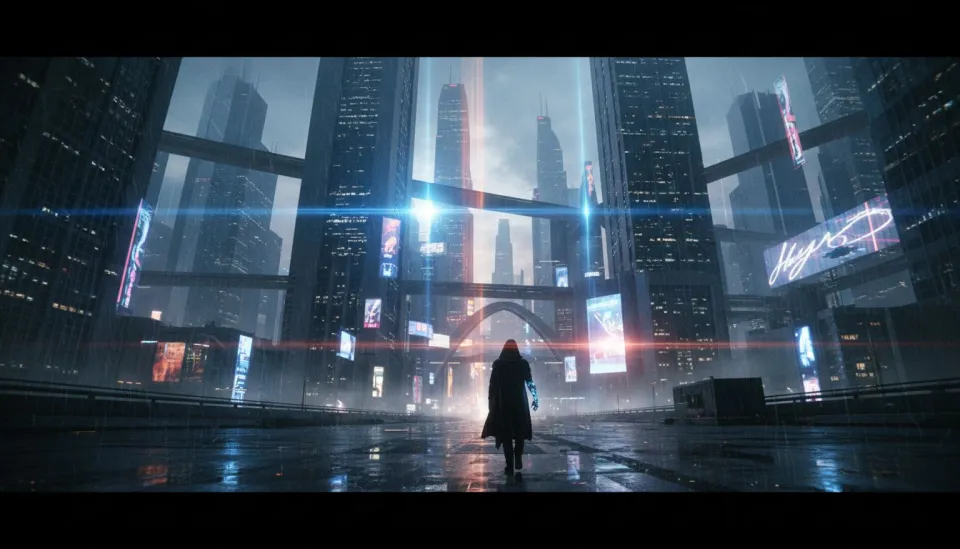
Head-to-Head: Veo 3.1 vs Sora 2
Photorealism
Winner: Veo 3.1
This is where the gap is most obvious. Veo 3.1 generates video that looks like reality. Skin pores, the way light hits a glass surface, the micro-movements of leaves in wind. When your goal is output that could pass for real filmed footage, Veo 3.1 is the better choice.
Sora 2 is also high quality, but it has a subtle "cinematic grade" to its output that skilled viewers can sometimes identify as generated. Ironically, this quality actually makes Sora better for entertainment content where a polished cinematic look is desirable.
Cinematic Quality
Winner: Sora 2
If Veo feels like a camera, Sora feels like a director. The compositions that Sora 2 produces carry a sense of intentionality that is hard to articulate but easy to feel. Camera angles are chosen for dramatic effect. Lighting emphasizes emotion. Subject placement follows cinematic rules of thirds and leading lines.
For any content where visual storytelling matters more than documentary-style realism, Sora 2 has the edge.
Speed
Winner: Veo 3.1 Fast
Veo 3.1 Fast is significantly quicker than Sora 2 for comparable quality output. If you are creating content for TikTok or Instagram Reels and need to iterate rapidly, the speed advantage matters. You can test five Veo generations in the time it takes for two Sora generations.
Character and People
Tie (with caveats)
Both models handle human subjects well, but differently. Veo 3.1 produces more physically accurate human rendering. Sora 2 produces more emotionally expressive performances. For UGC-style content, Veo often looks more natural. For narrative or dramatic content, Sora often feels more compelling.
For dedicated character work, Kling 3 actually outperforms both, which is why having access to multiple models in an app like VIBE matters.
Text Prompt Interpretation
Winner: Sora 2 (slightly)
Sora 2 handles complex, multi-clause prompts slightly better than Veo. If your prompt includes detailed action sequences, specific camera directions, and mood instructions all in one, Sora tends to capture more of those elements accurately. Veo sometimes prioritizes visual quality over prompt completeness.
For best results with Veo, use shorter, more focused prompts. For Sora, you can write more elaborate creative prompts and expect the model to follow along.
Image-to-Video
Winner: Veo 3.1
When animating a still image into video, Veo 3.1 maintains fidelity to the source image more consistently. The motion it adds feels organic and respects the original composition. Sora 2 sometimes reinterprets the source image more aggressively, which can be creative but unpredictable.
When to Use Veo 3.1
Choose Veo 3.1 when your content needs to look real. Specific use cases where Veo consistently outperforms:
- Product showcase videos for e-commerce and advertising
- Nature and landscape content for travel or documentary-style videos
- Image-to-video animations where source fidelity matters
- Rapid iteration when speed is critical, such as trend-riding on social media
- Real estate and architecture visualization
- Food and lifestyle content where texture and lighting accuracy are essential
When to Use Sora 2
Choose Sora 2 when your content needs to feel cinematic. Specific use cases where Sora consistently outperforms:
- Short film and narrative content with emotional storytelling
- Dramatic hooks and opening sequences for social media
- Music video visuals with creative artistic direction
- Complex multi-character scenes with interactions
- Conceptual and abstract content that benefits from artistic interpretation
- Branded content where cinematic production value matters
Why You Do Not Have to Choose
Here is the reality that most comparison articles miss: you do not need to pick one model and stick with it. Different projects call for different models. A product video for your online store needs Veo's photorealism. A cinematic TikTok hook needs Sora's dramatic flair. A dance video might call for neither, and instead benefit from Seedance 2.
This is exactly why multi-model apps have become the standard for serious creators. In VIBE, switching between Veo 3.1, Sora 2, Kling 3, Seedance 2, WAN 2.6, and nine other models takes a single tap. You can run the same prompt across multiple models and compare the results side by side.
The best AI video generator apps in 2026 are the ones that give you this flexibility. Locking yourself into a single-model ecosystem means missing out on the strengths of every other model.
Make your first AI video in 60 seconds
Generate AI videos with Kling, Veo, Sora and more — free on iOS and Android.


What About Other Models?
Veo 3.1 and Sora 2 get the most attention, but they are not the only models worth knowing. Here is how other models in the VIBE lineup compare:
- Kling 3 and Kling o3: Best for character animation with natural facial expressions. Often the right choice when your video centers on a human subject.
- Seedance 2: Purpose-built for dance and expressive body movement. Unmatched for motion-heavy TikTok content.
- WAN 2.6: Strong at artistic styles and creative transformations. Use it when you want something that looks intentionally stylized rather than realistic.
- Seedance Pro Fast: Cheap, quick, and capable for general-purpose clips. A solid all-rounder when you need results fast.
- LTX: The speed leader. Best for rapid prototyping and testing prompt ideas before committing to a higher-quality model.
Tips for Getting the Best Results from Both Models
For Veo 3.1
- Focus on physical descriptions. Mention materials, textures, and lighting conditions. "Polished marble floor reflecting warm tungsten overhead lighting" gives Veo specific physical properties to render.
- Keep prompts focused. Veo works best with clear, concentrated prompts rather than sprawling descriptions. One scene, one action, specific details.
- Use the Fast variant for iteration. Generate with Veo 3.1 Fast to test concepts quickly, then switch to the full model for your final output.
For Sora 2
- Write like a director. Use cinematic language: "slow dolly forward," "rack focus from foreground to background," "dramatic low angle shot." Sora responds strongly to directorial cues.
- Describe the emotion, not just the visuals. "A lonely figure on an empty beach at sunset, melancholic and contemplative" produces more intentional output than purely physical descriptions.
- Embrace complexity. Sora handles multi-element prompts better than most models. Layer in camera movement, subject action, environmental details, and mood all in one prompt.
The Verdict
There is no single winner between Veo 3.1 and Sora 2 because they are optimized for different things. Veo 3.1 is the best AI video model for photorealistic content that needs to look like it was actually filmed. Sora 2 is the best AI video model for cinematic content that needs to feel like it was directed.
The smartest approach is to use both. And with VIBE, you can. VIBE is an AI video generator app that gives you access to Veo 3.1, Sora 2, and 12 other AI video models in a single app on iOS and Android. No switching between platforms, no multiple subscriptions, no compromises.
Download VIBE free and see for yourself which model works best for your content.