What Is an AI Video Ad Generator?
An AI video ad generator is software that turns a product photo, a short text prompt, or both into a finished video ad — with motion, camera movement and often synchronized audio — without filming, editing software or a video team. VIBE is an AI video generator app that lets you create stunning videos from text prompts or images using the latest AI models like Kling, Sora, and Veo, and its image-to-video tools are built for exactly this: upload one product photo, pick a style and an aspect ratio, and get back a video ad in minutes.
For a small e-commerce brand, that collapses a process that used to require a studio, a videographer and a few days into a single afternoon. The output is a normal video file you can upload straight to Meta Ads Manager, TikTok Ads or YouTube.
The bigger advantage shows up after the first ad. Testing a new angle traditionally means booking another shoot; with an AI video ad generator, testing five angles on the same product is five prompts against the same source photo. A seller can try a studio spin against a lifestyle scene and a cinematic reveal in one afternoon, keep whichever performs best in ad testing, and discard the rest without having spent anything on a reshoot.
What's the Best AI Video Generator App for Creating Marketing Content?
The best AI video generator app for marketing content covers the whole job: text-to-video for concepts you can describe, image-to-video for products you already photographed, several models tuned for different looks, and export sizes that match ad placements. VIBE combines all of that in one app, so a single product photo can become a square feed ad, a vertical Reels ad and a horizontal YouTube pre-roll ad without re-shooting anything.
Because different ad platforms reward different looks — a fast, punchy cut for TikTok, a polished reveal for YouTube — having multiple models in one place matters more than any single "best" model. Comparing the AI video models inside VIBE can help you pick a starting point before you commit to a full render.
Marketing teams also use the same app for concepts that don't start from a photo at all — a text prompt describing an idea, an explainer sequence, or B-roll to cut between product shots — so the "marketing content" question isn't only about product ads. But for anyone starting from an existing catalog of product photography, image-to-video is the fastest path from what you already have to something you can run as an ad today.
How Do You Turn a Product Photo Into a Video Ad With AI?
Turning a photo into a video ad is an image-to-video job: you upload the photo as the starting frame, describe the motion and setting you want, and the model animates it. Three workflows cover most product categories:
- Studio spin — the product floats or rotates against a clean background, camera holds steady, nothing else in frame. Works well for feed ads where the product itself is the message.
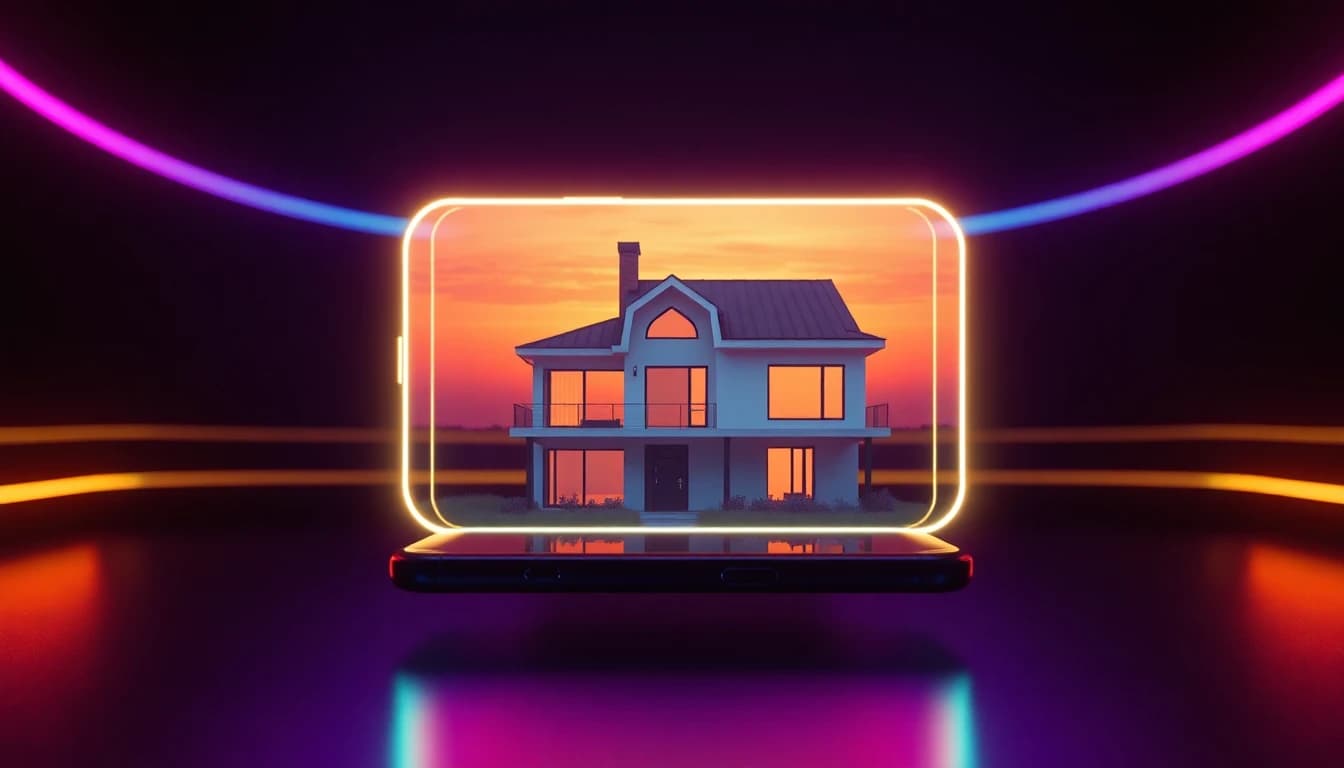
- Lifestyle scene — the product appears in a real-world setting, such as a kitchen counter, a desk, or a hand holding it, giving buyers a sense of scale and use.
- Cinematic reveal — a slower camera move, such as a push-in, pull-back or orbit, with dramatic lighting, best as an opening shot for a longer ad or a YouTube pre-roll.
Example prompts for each style, using a single product photo as the starting image:
- Studio spin: "Product rotates slowly 360 degrees on a dark reflective surface, soft rim light, no camera movement, shallow depth of field."
- Lifestyle scene: "Product sits on a sunlit wooden desk next to a coffee cup and a notebook, static camera, warm natural light, shallow depth of field."
- Cinematic reveal: "Camera slowly pushes in on the product from a low angle, dramatic side lighting, subtle lens flare, cinematic color grade."
Which VIBE Models Work Best for Product Video Ads?
Model choice depends on whether the ad needs sound, how many variants you need, and which aspect ratios you're targeting. A few models from VIBE's full model lineup fit product ads particularly well:
- Seedance 2.5 accepts up to four reference images of the same product, so a brand can generate several ad variants — different backgrounds, different angles — while keeping the product's shape, color and label identical across every clip. It always generates synchronized audio, including dialogue.
- Google Veo 3.1 anchors a product to up to three reference images for consistency, with optional audio. Veo 3.1 Lite offers the same reference-image workflow at a lower cost with audio generated automatically every time, and Veo 3.1 Fast adds last-frame input so one clip can transition smoothly into the next.
- Sora 2 and Sora 2 Pro take a product image as a reference and always generate native, synchronized dialogue and sound effects — useful for a voice-free ad that still needs ambient sound or a short spoken line, without recording anyone.
- Kling 3 Pro can structure a story across up to six shots, each with its own prompt, and generates multi-language audio — a good fit for a lifestyle-scene ad that needs more than one beat.
None of these require a subscription tier decision before you start: begin with whichever model fits the style you want, generate a short test clip first, and only spend more tokens on a longer or higher-resolution render once the concept is confirmed. A five-second test in the target aspect ratio is usually enough to tell whether a prompt is working before committing to the full-length version.
What Aspect Ratios Should You Export for Instagram, TikTok and YouTube Ads?
Ad placements are not one-size-fits-all, and re-rendering per platform is one of the advantages of generating from a photo instead of filming once. Inside VIBE:
- 1:1 (square) fits feed placements and works well for a studio-spin ad. Kling and Seedance 2.5 both support square output; Veo 3.1 and Sora 2 do not, so pick a square-capable model up front if that's your primary placement.
- 9:16 (vertical) is the format for Stories, Reels and TikTok — every model covered above supports it.
- 16:9 (horizontal) suits YouTube pre-roll and website hero placements, and is the natural shape for a cinematic-reveal ad with a slow camera push.
Generating the same product in two or three ratios from the same source photo takes minutes, not a reshoot.
Make your first AI video in 60 seconds
Generate AI videos with Kling, Veo, Sora and more — free on iOS and Android.


What Does a Full Product-Ad Workflow Look Like, Start to Finish?
A realistic first project takes under an hour:
- Photograph the product against a plain background, or use an existing product photo, with even lighting.
- Upload it to VIBE's image-to-video tool and pick a model based on whether you need audio, multiple shots, or a specific aspect ratio.
- Write a short, concrete prompt describing camera movement, lighting and setting — avoid vague adjectives like "amazing" or "professional," which models can't act on.
- Generate the ratio you need most first, usually 9:16, review it, then regenerate the same prompt in 1:1 or 16:9 for other placements.
- Export the finished clip and upload it directly to your ad platform of choice.
Keep the source photo and the exact prompt saved. Reusing both with a reference-image model such as Seedance 2.5 is the fastest way to produce a second and third variant that still looks like the same product line.
Frequently Asked Questions
I need to generate short marketing videos; what free AI options are available?
VIBE's free tier includes several models that don't require a subscription, though free-tier generations are limited in clip length and resolution compared with premium models. A short square or vertical clip is a reasonable free-tier test before upgrading for longer, higher-resolution ad variants.
Can I make a video ad from just one product photo?
Yes. Image-to-video models use one photo as the starting frame and animate it based on your prompt, so no additional footage or filming is required.
Which VIBE model adds dialogue or ambient sound to a product video automatically?
Sora 2, Sora 2 Pro and Seedance 2.5 always generate synchronized audio, including dialogue and sound effects, with no separate audio toggle to switch on.
What video length works best for a product ad?
Shorter clips, roughly 5 to 12 seconds, work best for feed and Stories placements. Models such as Seedance 2.5 support much longer single clips if you need more time for a multi-beat lifestyle scene.
Do I need different aspect ratios for Instagram, TikTok and YouTube?
Yes. Vertical 9:16 fits Stories, Reels and TikTok, square 1:1 fits feed placements, and horizontal 16:9 fits YouTube and website placements. Not every model supports every ratio, so check a model's aspect ratio options before you generate.
Can I keep my product looking identical across several video ad variants?
Yes. Models with reference-image support, particularly Seedance 2.5 with up to four reference images, are built to keep a product's shape, color and label consistent from one generated clip to the next.
What is VIBE?
VIBE is an AI video generator app that lets you create stunning videos from text prompts or images using the latest AI models like Kling, Sora, and Veo.
Conclusion
An AI video ad generator turns a single product photo into a finished ad in three common styles — studio spin, lifestyle scene, and cinematic reveal — exported in whatever aspect ratio a platform requires, without a camera crew or an editing timeline. VIBE puts that workflow, along with models built for consistency and native audio, into one app on iOS and Android, so testing a new product-ad angle costs an afternoon instead of a production budget. Download VIBE and turn your first product photo into a video ad today.